What Private Trout Fishing in Georgia Actually Means
Private trout fishing in Georgia means fishing water that is not open to the general public — water held under private ownership or lease, managed by the owner or a club, and accessed only by members or permitted guests.
This is distinct from simply fishing on private land adjacent to public water. True private trout fishing means the stream itself — or the relevant stretch of it — is under private control, which means the access policy, the fishing rules, the stocking program, and the management decisions are all made by the people responsible for that water, not by state fisheries management.
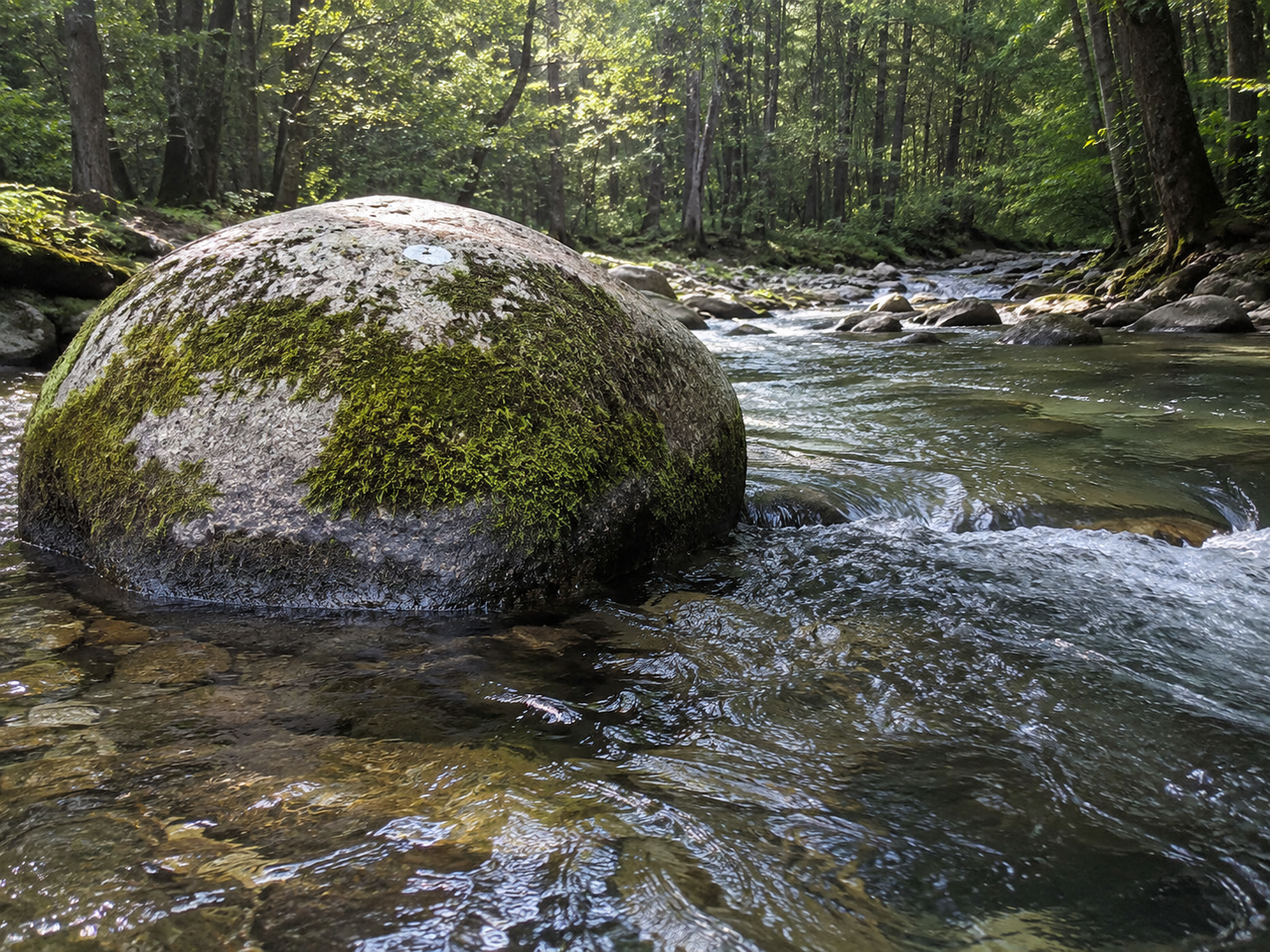
In North Georgia, private trout water exists in the form of club fisheries on freestone mountain streams. These are cold-water creeks in the Blue Ridge mountains that hold wild and stocked brown and rainbow trout — managed under catch-and-release, with limited membership, to produce a consistent quality fishing experience that public pressure would otherwise degrade.
Private vs Public vs Guided: How They Compare
Most Georgia anglers interact with trout through one of three access types: public water managed by the Georgia DNR, guided trips on public or privately permitted water, or private club membership. Each delivers a meaningfully different experience.
Public water is accessible to anyone with a valid Georgia fishing license and trout stamp. The DNR manages a network of stocked creeks, delayed-harvest sections, and catch-and-release streams throughout North Georgia. The access is free and available, but it comes with the fishing pressure that free public access creates. The best public sections see consistent pressure, particularly during spring stocking periods. Fish that survive initial pressure become wary quickly, and crowd dynamics limit where and when productive fishing is realistically available.
Guided tripsoffer professional knowledge of productive water and expert instruction for developing anglers. A guide on public water can put you on productive sections at productive times and significantly shorten the learning curve for reading a specific stream or technique. The limitation is that you are still fishing water open to others — the guide's advantage is knowledge and timing, not exclusive access.
Private club membership changes the access equation entirely. On private water, the fishing pressure is controlled by design. You fish when the schedule allows, and the schedule is built to keep rod numbers low and the water rested. The fish are managed under catch-and-release, so quality fish accumulate in the system season over season. The guides (where required or available) know the specific private water with the depth that comes from fishing it repeatedly, not public sections where conditions vary with pressure.
Why Access Control Matters
The most important variable in trout fishing quality is not the number of fish in a stream — it is the pressure those fish have experienced. A stream with moderate fish counts and low angling pressure will produce better fishing than a stream with high fish counts and heavy daily pressure.
Pressure affects trout behavior in documented, measurable ways. Streams with high angling pressure see trout shift to nocturnal feeding patterns, retreat to the most difficult holding positions, and develop strong selectivity toward unnatural presentations. The fish are still there — they are just much harder to catch, and much less rewarding to pursue.
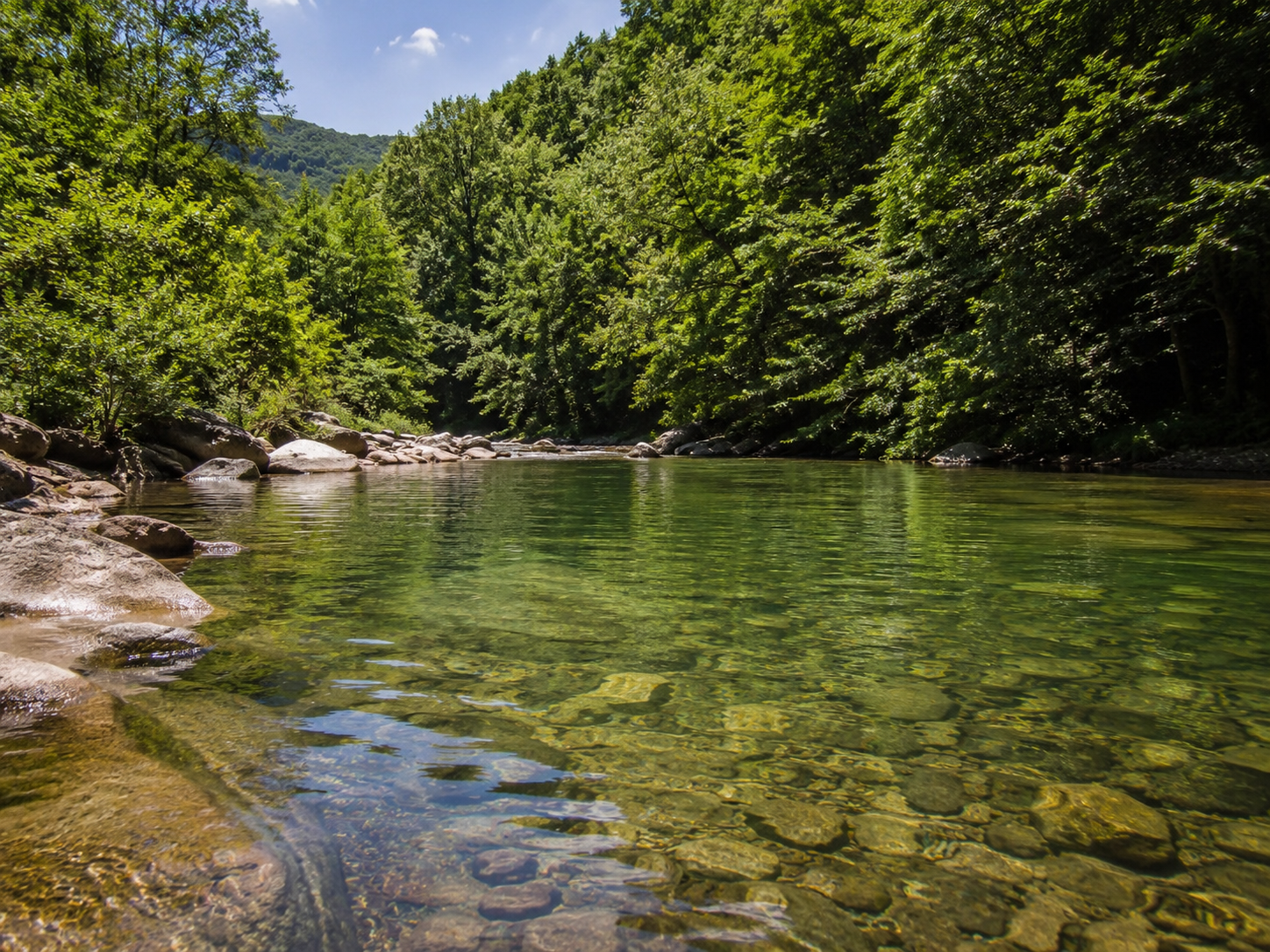
Private access removes this variable. A stream where only a small number of anglers fish in a given period, under mandatory catch-and-release, will hold trout that feed during daylight hours, occupy their preferred lies in the stream, and respond to accurate imitations of the natural food they have been eating. This is what private managed water actually means in practice — not just exclusive access, but a fundamentally different quality of fish behavior.
What to Look for in a Private Trout Club
Not all private trout clubs deliver what the concept promises. Some have high membership numbers that undermine the low-pressure access they advertise. Others lack active management — the water is private, but it is not managed in ways that build or maintain a quality fishery. Before joining a private trout club, there are a few things worth understanding:
- ✦Membership limits: A club with too many members creates the same pressure problem that public water has, just with a different crowd. Ask how many members the club carries and how access is structured across those numbers.
- ✦Active habitat management: Is the club investing in the long-term health of the water? Stream restoration, water quality monitoring, and habitat improvement are signs of a club that views the fishery as an asset to protect, not just a marketing claim.
- ✦Stocking strategy: What is the stocking program, and how is it distributed? Random or concentrated stocking in accessible runs is a short-term solution. Strategic, distributed stocking that supports the wild population is what produces season-long fishing quality.
- ✦Catch-and-release enforcement: Is catch-and-release mandatory, or just encouraged? A club that enforces catch-and-release consistently accumulates conditioned fish in the system that improve the quality of the experience over time.
- ✦Guide requirements: For guest outings, does the club require professional guides? This protects both the fish and the experience — unguided guests on private water often lack the knowledge or protocols that managed access requires.
Catch-and-Release on Private Water
On public Georgia trout water, catch-and-release is required in designated sections — primarily the year-round streams and some catch-and-release only areas — but the majority of public trout water allows harvest within the legal creel limit. This is appropriate for public recreational fishing, where the management goal is broad angler access and experience, not long-term individual fish quality.
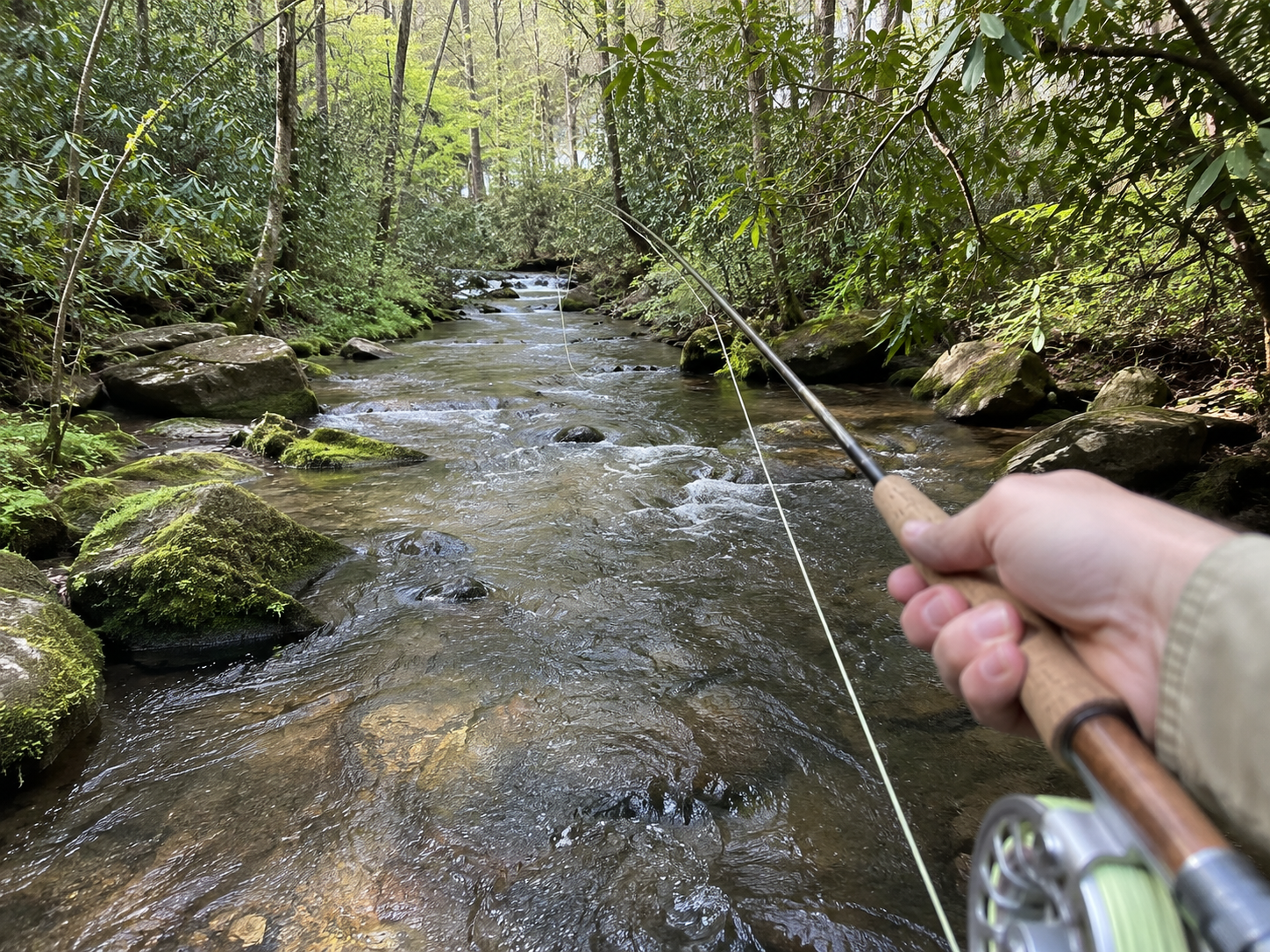
Private managed fisheries operate under a different philosophy. Catch-and-release on private water is not simply a conservation gesture — it is a management decision with compounding returns. Fish that are returned to the water continue to grow, continue to condition to natural food, and continue to add to the pool of challenging, quality targets available in the stream. A stream managed under strict catch-and-release for multiple seasons will hold larger, wiser fish than a comparable stream under harvest pressure.
This is why catch-and-release is mandatory on Wild Water Trout Club's water — not as an ideological position, but because it produces the best fishing experience for members over time. The fish in a well-managed catch-and-release private stream are genuinely better to pursue than fish in streams where the best fish are removed with regularity.
Guest and Guide Expectations on Private Water
Private trout club membership creates responsibilities as well as privileges. The access depends on every angler on the water respecting the creek's rules, the fish, and the access structure. For this reason, private clubs with strong management enforce specific expectations around guests and guide requirements.
At Wild Water Trout Club, members may bring guests subject to a $100 rod fee per guest, a maximum of five guests per outing, and a requirement that all guest outings include a club guide. This is not bureaucratic friction — it ensures that every angler on the water, regardless of their experience level, handles fish correctly, respects the access points, and understands the creek's catch-and-release protocol.
All new members are required to complete a guided orientation trip before accessing the water independently. This covers the creek's layout, seasonal patterns, and the specific techniques that produce on Tickanetley Creek's character of water. The guided training trip is also, for most members, an outstanding fishing experience in its own right — the guides know the water with the depth that comes from fishing it across all conditions and seasons.
Wild Water Trout Club — Private Trout Fishing in North Georgia
Wild Water Trout Club manages 3.5 miles of private water on Tickanetley Creek in Gilmer County, North Georgia. The club operates under mandatory catch-and-release, limited membership, and a structured access schedule designed to protect the fishery and deliver consistent quality fishing for members.
Membership is limited. If private trout fishing in North Georgia is something you have been looking for, reach out and start the conversation.